Step 1: Define Your Global Tax Objectives
Every business’s global tax strategy should begin with clear objectives. These may include:- Reducing overall effective tax rates.
- Ensuring compliance across jurisdictions.
- Maximizing export incentives (such as IC-DISC or FDII).
- Structuring profits efficiently between entities.
Step 2: Map Your International Footprint and Risk Areas
Identify where your company operates, sells, and holds assets. Consider:- Entity locations and ownership structure.
- Flow of goods, services, and intellectual property.
- Tax residency rules and permanent establishment risks.
Step 3: Leverage Export Incentives Like IC-DISC
For U.S.-based exporters, an Interest Charge Domestic International Sales Corporation (IC-DISC) can reduce effective tax rates on qualified export income by converting ordinary income into dividends taxed at lower capital gains rates. Key advantages include:- Increased cash flow and after-tax profitability.
- Deferral opportunities for eligible commissions.
- Simplified reporting and compliance.
Step 4: Implement an Effective Transfer Pricing Policy
A global tax strategy isn’t complete without a defensible transfer pricing framework that aligns profits with real economic activity. Best practices include:- Conducting functional and risk analyses across group entities.
- Setting arm’s length pricing for intercompany transactions.
- Preparing contemporaneous documentation that supports your methodology.
Step 5: Ensure International Tax Compliance and Reporting
Global compliance extends beyond tax returns. It involves meeting country-specific documentation, withholding, and reporting requirements. Focus on:- Country-by-Country Reporting (CbCR) obligations under BEPS.
- Withholding tax rates on cross-border payments.
- Tax treaty planning to avoid double taxation.
Step 6: Build a Framework for Continuous Monitoring
A static tax strategy can quickly become outdated. Establish a continuous monitoring system to adapt to:- Regulatory updates (e.g., BEPS 2.0 or U.S. tax reform).
- Currency fluctuations affecting transfer pricing outcomes.
- Emerging markets and entity expansion.
Final Thoughts
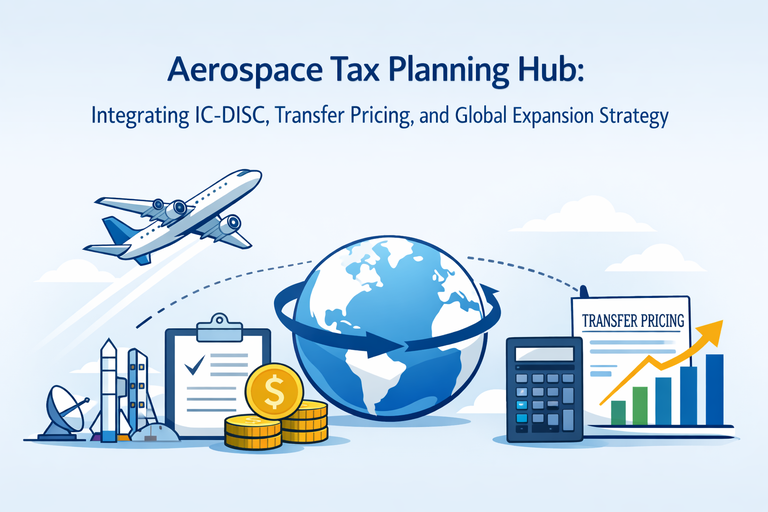
A global tax strategy is more than a compliance exercise—it’s a competitive advantage. By aligning IC-DISC benefits, transfer pricing frameworks, and international compliance practices, exporters can strengthen profitability and ensure sustainable global growth. Partnering with an experienced advisory firm like WTP Advisors allows growing exporters to identify hidden opportunities while staying ahead of global tax changes.PREVIOUS ARTICLEHow to Stay Compliant with BOI and BEPS Rules in 2025