logo WTP Advisors is Celebrating 20 Years!

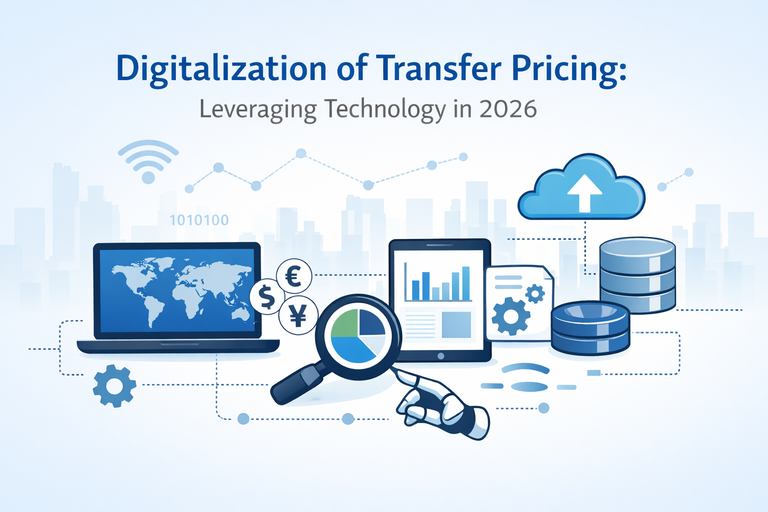
Digitalization of Transfer Pricing: Leveraging Technology in 2026

The landscape of transfer pricing is undergoing a significant transformation driven by rapid technological advancements. In 2026, multinational enterprises (MNEs) are increasingly leveraging digitalization, including artificial intelligence (AI), blockchain, and advanced data analytics, to enhance the efficiency, accuracy, and compliance of their transfer pricing processes. This shift is not merely about automation; it’s about fundamentally… Continue reading Digitalization of Transfer Pricing: Leveraging Technology in 2026

Transfer Pricing Documentation: Master File, Local File, and CbCR in 2026
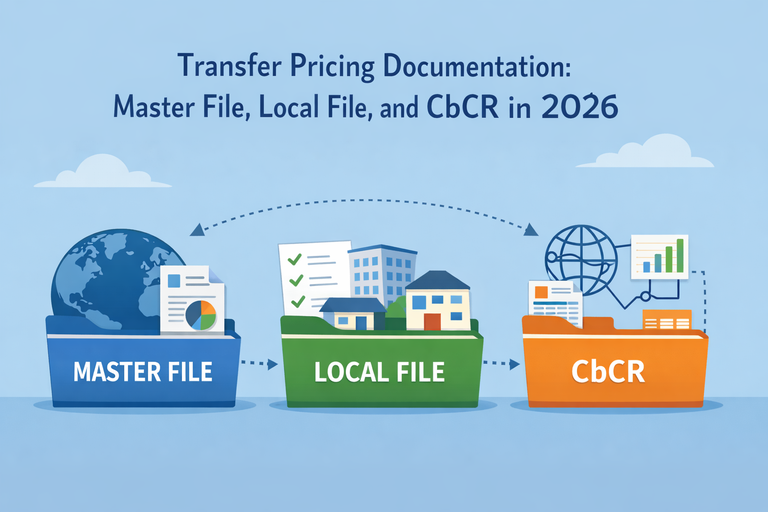
Robust transfer pricing documentation is the cornerstone of compliance for multinational enterprises (MNEs). It serves as the primary means to demonstrate that intercompany transactions are conducted at arm’s length and to mitigate the risk of transfer pricing adjustments and penalties during tax audits. In 2026, MNEs continue to navigate the three-tiered documentation structure introduced by… Continue reading Transfer Pricing Documentation: Master File, Local File, and CbCR in 2026
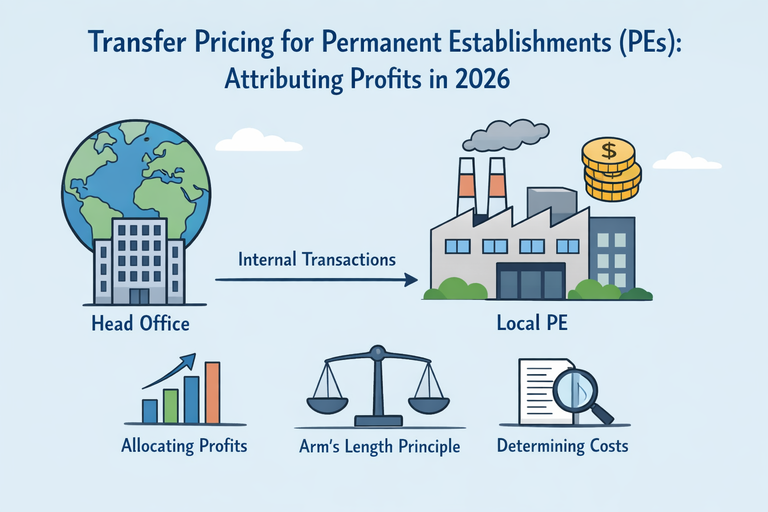
Transfer Pricing for Permanent Establishments (PEs): Attributing Profits in 2026

The concept of a Permanent Establishment (PE) is fundamental to international taxation, determining when a non-resident enterprise is deemed to have a taxable presence in another jurisdiction. While traditionally associated with physical fixed places of business, the definition of a PE has evolved, particularly with the rise of digitalization and remote work. In 2026, multinational… Continue reading Transfer Pricing for Permanent Establishments (PEs): Attributing Profits in 2026

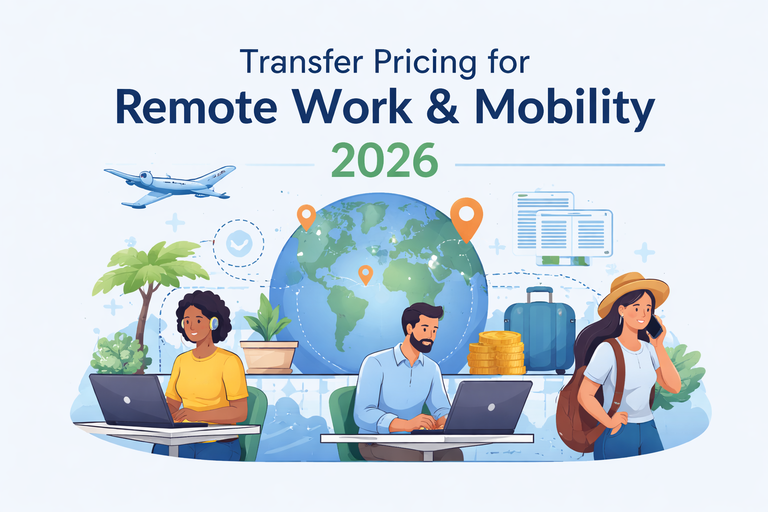
Transfer Pricing for Remote Workforces and Global Mobility in 2026

The rise of remote work and increasingly mobile workforces has introduced new complexities for multinational enterprises (MNEs), particularly in the realm of transfer pricing. As companies adapt to a global talent pool and flexible working arrangements, the traditional assumptions underlying transfer pricing models are being challenged. In 2026, MNEs must navigate these evolving dynamics to… Continue reading Transfer Pricing for Remote Workforces and Global Mobility in 2026

Transfer Pricing for Research & Development (R&D) Activities: Fostering Innovation in 2026

Research and Development (R&D) activities are the lifeblood of innovation for many multinational enterprises (MNEs), driving new product development, process improvements, and competitive advantage. However, the intercompany arrangements for R&D, including cost sharing, contract R&D, and the ownership and exploitation of resulting intellectual property (IP), present significant transfer pricing challenges. In 2026, MNEs must carefully… Continue reading Transfer Pricing for Research & Development (R&D) Activities: Fostering Innovation in 2026

Transfer Pricing for the Pharmaceutical and Life Sciences Industry: Innovation and Value in 2026

The pharmaceutical and life sciences industry is characterized by high-value intellectual property (IP), extensive research and development (R&D), complex regulatory environments, and global supply chains. These unique attributes make transfer pricing a particularly critical and challenging area for multinational enterprises (MNEs) in this sector. In 2026, MNEs must navigate the intricate balance of incentivizing innovation,… Continue reading Transfer Pricing for the Pharmaceutical and Life Sciences Industry: Innovation and Value in 2026

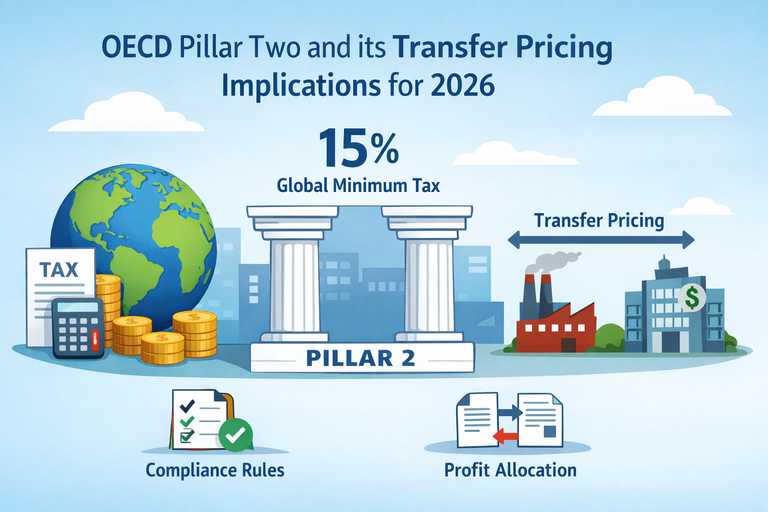
OECD Pillar Two and its Transfer Pricing Implications for 2026

The global tax landscape is undergoing a significant transformation with the implementation of the OECD’s Pillar Two initiative, also known as the Global Anti-Base Erosion (GloBE) rules. These rules aim to ensure that multinational enterprises (MNEs) pay a minimum effective tax rate of 15% on their profits in every jurisdiction where they operate. While primarily… Continue reading OECD Pillar Two and its Transfer Pricing Implications for 2026

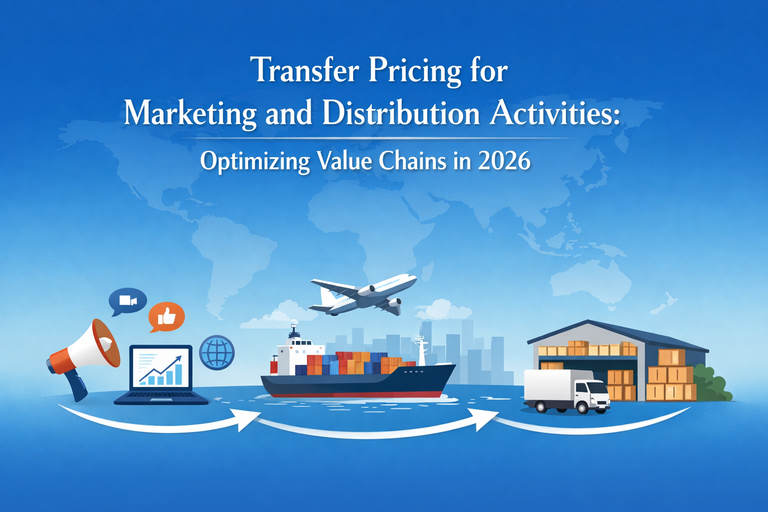
Transfer Pricing for Marketing and Distribution Activities: Optimizing Value Chains in 2026

Marketing and distribution activities are crucial components of a multinational enterprise’s (MNE) value chain, directly impacting sales, brand recognition, and market penetration. However, the transfer pricing of these activities, particularly the remuneration of distributors and the allocation of marketing intangibles, remains a complex and frequently audited area. In 2026, MNEs must carefully structure and price… Continue reading Transfer Pricing for Marketing and Distribution Activities: Optimizing Value Chains in 2026

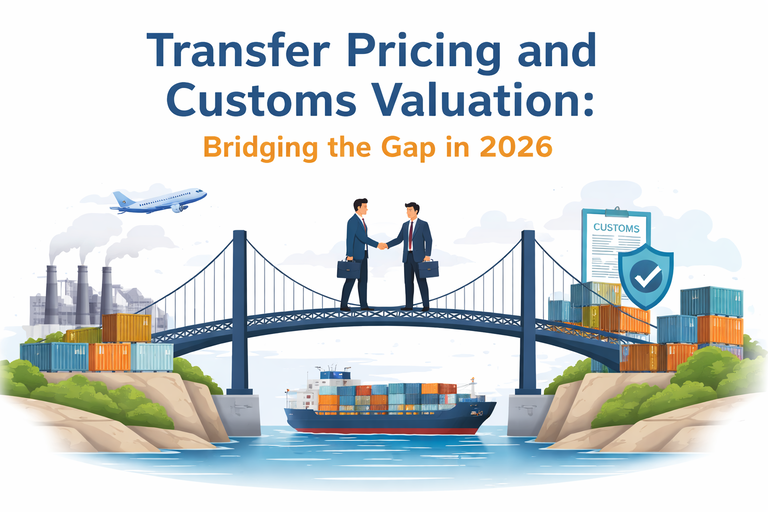
Transfer Pricing and Customs Valuation: Bridging the Gap in 2026

Multinational enterprises (MNEs) that import goods from related parties face a complex challenge at the intersection of two distinct regulatory regimes: transfer pricing and customs valuation. While both aim to establish an “arm’s length” value for goods, their methodologies, objectives, and enforcement bodies differ, often leading to conflicting requirements and potential double taxation. In 2026,… Continue reading Transfer Pricing and Customs Valuation: Bridging the Gap in 2026

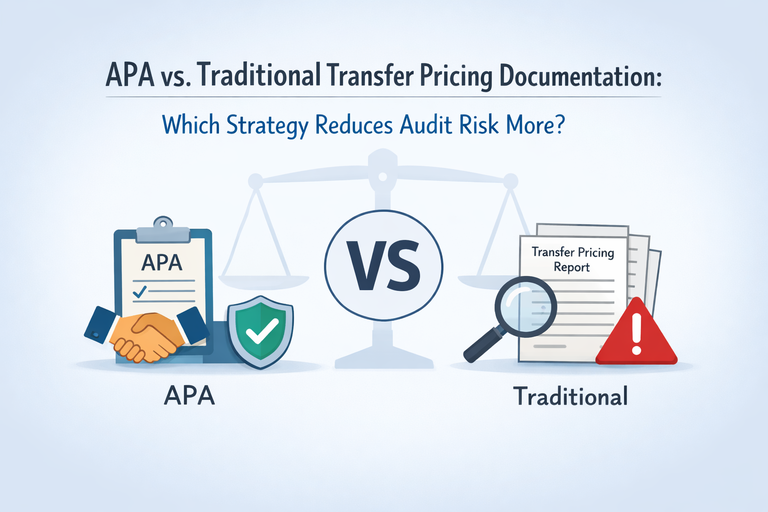
APA vs. Traditional Transfer Pricing Documentation: Which Strategy Reduces Audit Risk More?

As IRS enforcement intensifies, mid-market multinationals are asking a critical question: Is standard transfer pricing documentation enough — or is an Advance Pricing Agreement (APA) the better defense? Both approaches aim to manage risk under IRC Section 482. However, they differ significantly in cost, certainty, administrative burden, and strategic value. This article compares APA agreements… Continue reading APA vs. Traditional Transfer Pricing Documentation: Which Strategy Reduces Audit Risk More?